
Browse by category, then bring back one link
A Spreadsheet in this corner of the internet is a browsable catalogue of products, laid out shelf by shelf with a picture on every card. It is a place to look, not a place to pay.
Pick a shelf below, or search across all of them at once.
Sixteen shelves, and why they are shelves
Each card below opens a category of the catalogue. Behind every card is a list of individual products with photographs, so you can recognise a thing before you know its name. That is the whole point of browsing by category: the naming problem goes away.
Sixteen covers the ground most people need. Footwear, outerwear and tops carry the most listings; accessories, fragrance and tech are narrower but they are the ones people struggle hardest to describe in words.
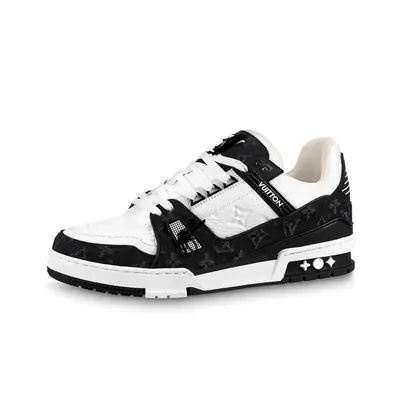 SneakersCategory
Footwear is where people paste first and read afterwards. Open the page, look at it, then copy the link, so the one you send is the one you actually chose.
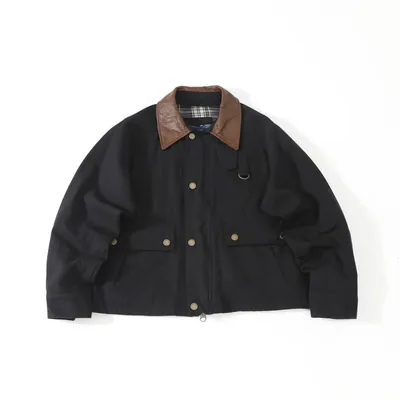 JacketsCategory
If a coat is the priciest thing going into your parcel, it is the item that decides the declared value you type on the forwarding form.
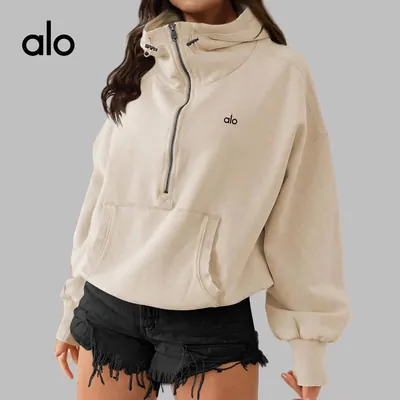 HoodiesCategory
Only the link travels. Anything you settled by scrolling through a gallery has to be said again, in words, in the note field.
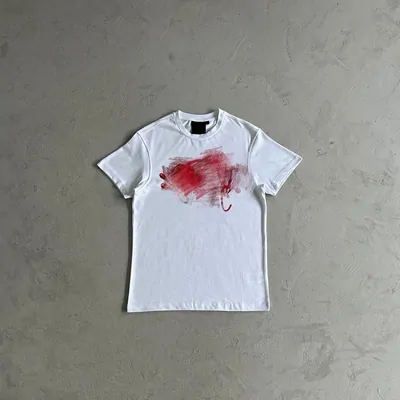 T-shirtsCategory
Cheap items are the ones added in a hurry at the end of a session, and the ones most likely to land in the wrong row. Re-read before you submit.
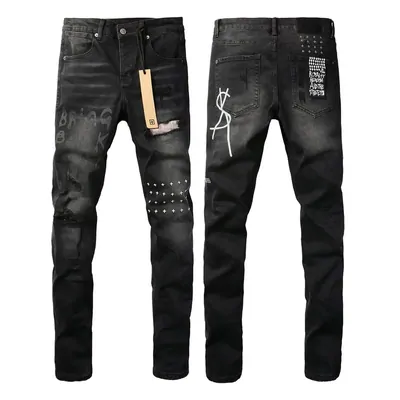 JeansCategory
Scroll to the bottom of the page you are about to link before the link leaves your clipboard. You cannot add context to it later.
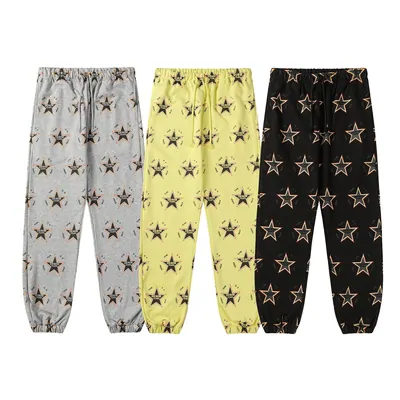 SweatpantsCategory
Wanting the top and the bottom of one outfit usually means two pages and two links. Check that both of them made it into the form.
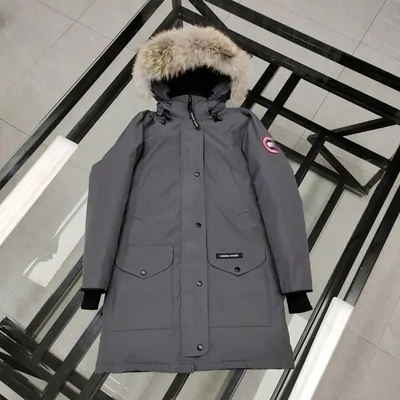 Women'sSearch results
This tile runs a keyword search rather than opening a fixed section, so what comes back shifts as sellers relist. Save the link to an item, not to a page of results.
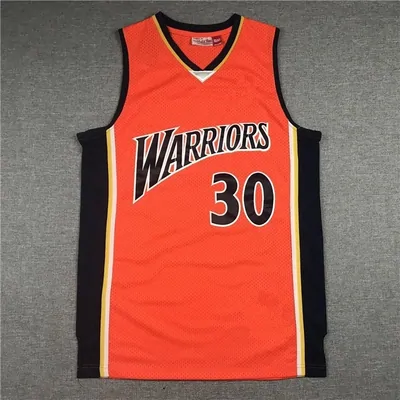 JerseysCategory
Anything you pick inside a page, rather than by opening a different page, is invisible to the link. Write down what you picked.
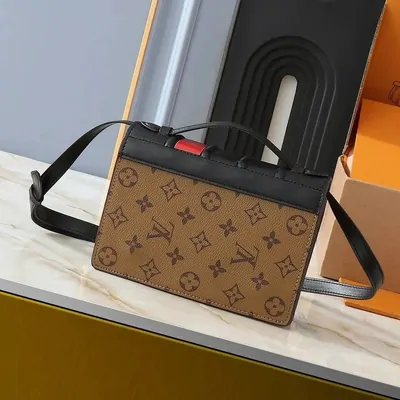 BagsCategory
Once the value goes up, the paperwork starts to matter. The figure you enter at forwarding is the figure that travels with the box.
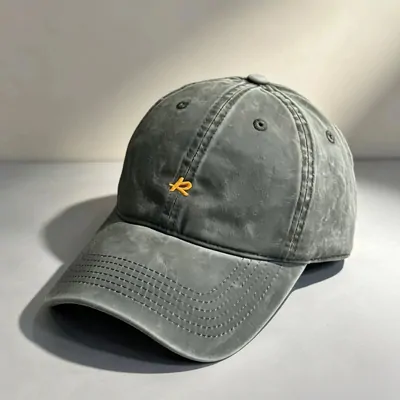 Caps and hatsCategory
Small things get forgotten in a parcel full of bigger ones. A cap still needs its own link and its own line on the form.
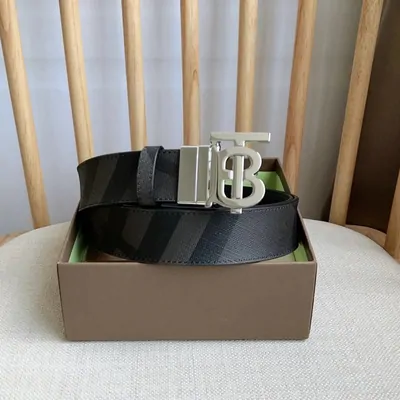 BeltsCategory
Accessories get added last, when the form is already half filled in and you have stopped reading it. Slow down for the final row.
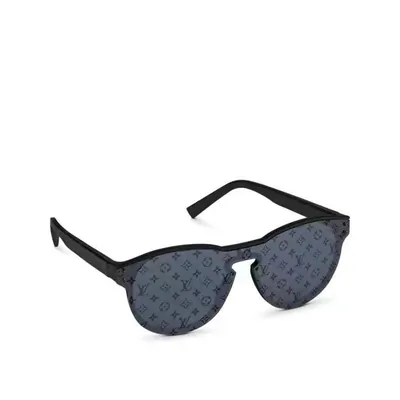 EyewearCategory
Something small can still be the most expensive line you type. The declared value follows what you paid, not the size of the box.
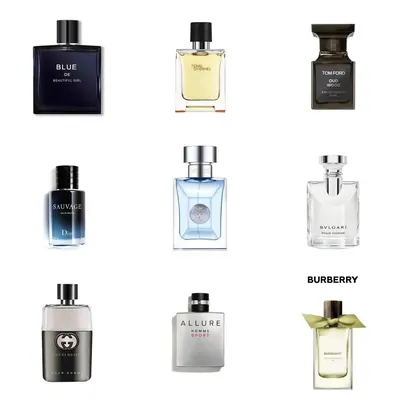 FragranceCategory
Find out how a fragrance can be forwarded before you order it, rather than after it is sitting in the warehouse waiting for a route.
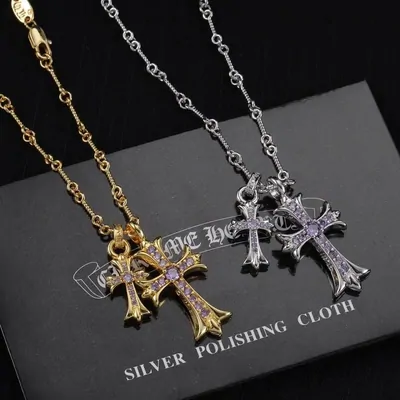 JewelryCategory
A jewelry photo often has several pieces in it. Say how many of them you are actually buying, because the link will not say it for you.
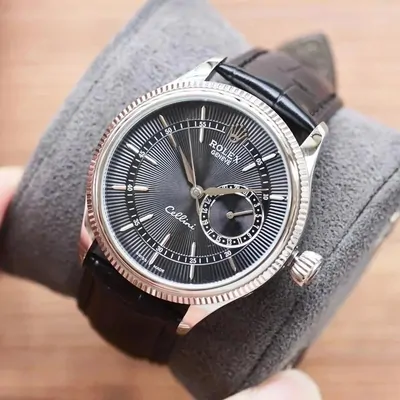 WatchesCategory
The operator asks in its own terms for a declaration that is true, accurate and complete. A watch is where that sentence stops being abstract.
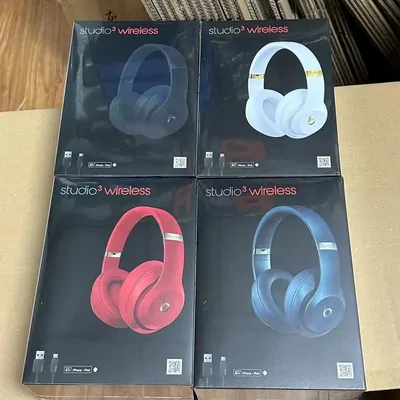 TechCategory
If it has a battery in it, check how it can be shipped before you buy, not after the parcel is packed and waiting.
Four platforms are read for you, everything else is typed
This is the single fact that decides how much work a listing costs you. The agent can pull a title, a price and the options out of four Chinese platforms automatically. Paste a link from one of those and the order form arrives mostly filled in.
Paste anything else and the site cannot read it. Nothing breaks, but the form switches to manual and you supply the title, the price, the domestic shipping, the shop name and the options yourself. The official article below says so plainly, and it is worth reading before you get attached to a seller on a platform that is not on the list.
So when you are choosing between two listings of the same thing, the platform the link points at is a real tiebreaker. It is the difference between checking a pre-filled form and filling in seven boxes correctly.
Historical source screenshot

One link and one name is the whole handover
Whatever you find while browsing, the thing that travels from the catalogue to the agent is a URL. The first row of the manual order form is the proof: a product link and a product name, side by side, before anything else is asked of you.
Copy the link from the address bar of the product page itself, not from a search results page and not from a share sheet that has wrapped it in a redirect. A shortened or wrapped link can resolve to the right page in your browser and still fail to be recognised by the agent.
The rest of that form, field by field, is on what you type.
Historical source screenshot

What makes a trustworthy Spreadsheet site, this one included
There are a lot of catalogue sites pointing at the same agents, and most of them look alike. Four tests separate the useful ones, and none of them is about the design.
Does it date what it captured? A screenshot of an order form with no date on it is a screenshot of a form that may no longer exist. Does it link to the page it is describing, so you can check it yourself, or does it paraphrase and hope? Does it quote prices, rates and delivery times it has no control over, which is the fastest way to be confidently wrong six weeks from now? And does it ever tell you to go somewhere else?
Apply all four to this site. Every capture here carries the date it was taken, every official claim carries a link to the page it came from, no figure is quoted, and what Hubbuy does ends with three situations in which another agent is the better call. If a catalogue site fails those tests, the listings behind it are probably fine and the advice around them is not.
* The test you can run in ten seconds
Find one factual claim on the page and try to trace it to somebody else. If you cannot, you are reading an opinion with pictures.
Searching is the same journey with the browsing removed
If you already know the word, the agent search box takes you straight there. It accepts a name or a link, and the icons beside it are the platforms it can read without help.
Search rewards precision and punishes vagueness, which is the opposite of browsing. A category shelf tolerates you not knowing what a thing is called; a search box does not. Use the shelves to find the word, then use the box.
One habit that saves a lot of time: when a search returns nothing useful, go back to the shelf for that category and look at how the listings there are actually worded. The vocabulary you need is usually sitting in the titles rather than in your head.
Historical source screenshot

What the operator promises when the link cannot be read
Being unable to crawl a link is a documented, supported state, not an error. The help centre commits to buying the item from the details you supply. The commitment is to your information, which is exactly why the accuracy of those boxes falls to you.
If your link cannot be recognized and crawled, you can manually fill in the link, name, price and other relevant information of the product, and we will use the information you provide to purchase the product for you.
Official help centre, Which shopping websites are supported for proxy purchase?, captured 2026-09-23. Full article: which shopping websites are supported.